Dungeon Sprawl: What It Is and How to Use It in Your Campaign
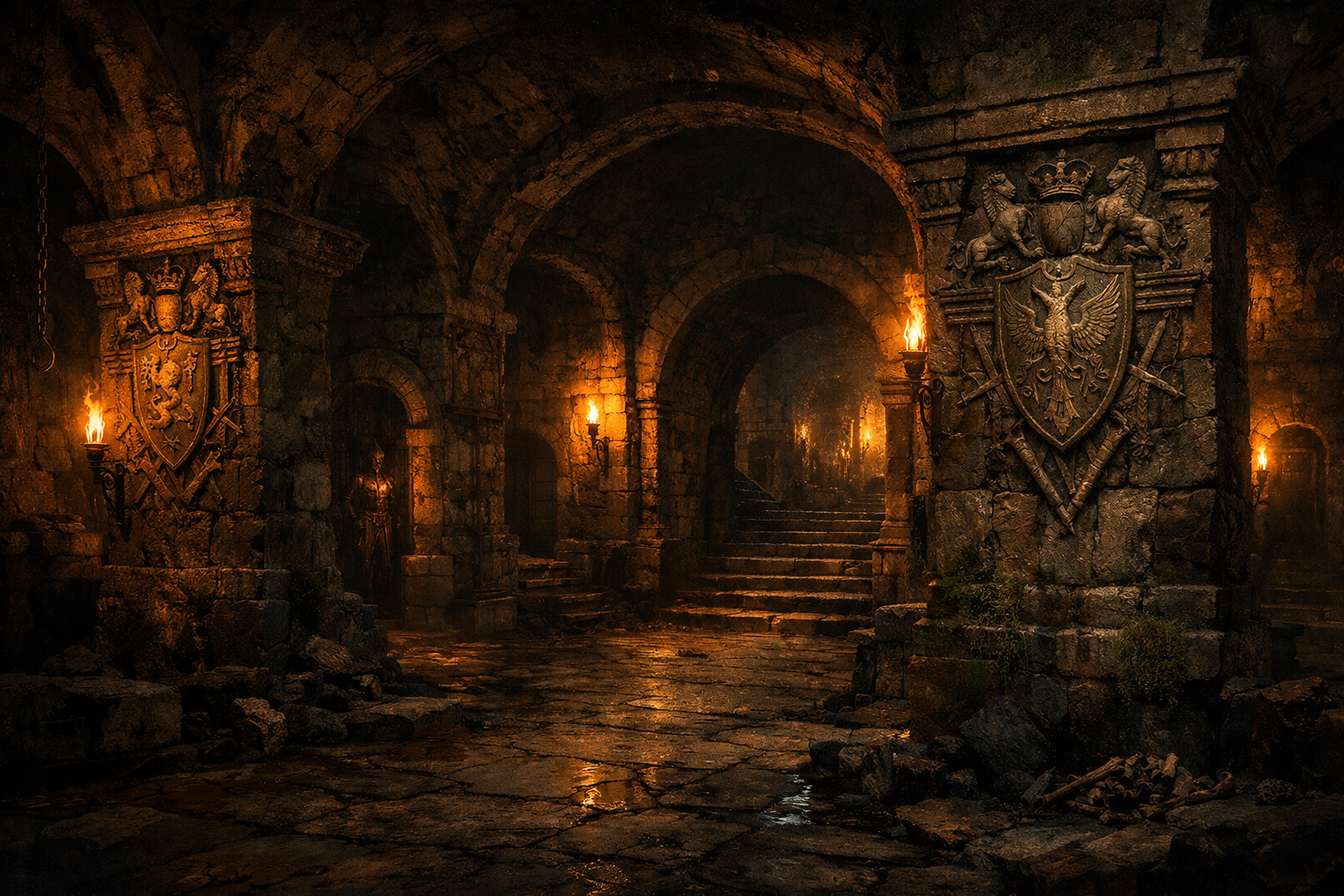
Dungeon sprawl occurs when a single dungeon exploration session extends across multiple game sessions, losing momentum and player engagement. Learn what causes it, how to recognize it, and practical techniques to prevent or manage it effectively.
Dungeon sprawl refers to a common challenge in tabletop roleplaying games where a single dungeon exploration extends across multiple sessions in ways that drain momentum, confuse players, and diminish the impact of what should be a memorable adventure. Understanding this pacing problem helps dungeon masters maintain engagement and cohesion regardless of how long the dungeon takes to complete.
Defining Dungeon Sprawl
The term dungeon sprawl is used here to describe a dungeon adventure that loses narrative and gameplay cohesion as it stretches across multiple game sessions. Unlike a well-paced multi-session dungeon, sprawl creates specific problems:
- Players forget important details, clues, or NPC motivations between sessions
- The sense of urgency or threat diminishes over real-world weeks
- Combat encounters feel disconnected from the overall dungeon narrative
- Players lose track of spatial relationships and dungeon geography
- Resource management loses much of its pressure when in-game time, rests, and consequences are not tracked meaningfully
A dungeon spanning four sessions is not automatically sprawl. The distinction lies in whether the experience maintains cohesion and engagement or fragments into disconnected episodes.
Common Causes of Dungeon Sprawl
Several factors contribute to dungeon sprawl, often working in combination:
Overdesigned Dungeons: Creating too many rooms, corridors, and encounters for the available session time. A dungeon with 40 keyed locations may seem thorough during preparation but can easily span six or more sessions if players engage closely with each space.
Slow Pacing: Extended descriptions, lengthy combat rounds, extensive debate over minor decisions, and frequent breaks all contribute to covering less ground per session than anticipated.
Lack of Clear Goals: When players do not understand what they are trying to accomplish, they may explore exhaustively rather than purposefully, checking every door and investigating every detail.
Inadequate Recaps: Starting each session without effectively reminding players what happened previously, where they are, and what they were planning.
Missing Time Pressure: Without consequences for extended exploration, players have little reason to push forward rather than retreat, rest when possible, and repeat the process.
Recognizing Dungeon Sprawl in Your Game
Watch for these warning signs during play:
- Players ask basic questions about dungeon locations they previously explored
- Enthusiasm noticeably drops when you announce that the group is returning to the dungeon
- Players make jokes about the dungeon "still going"
- You spend significant session time re-explaining previous events
- Combat encounters feel like interruptions rather than meaningful challenges
- Players express confusion about why they are in the dungeon
If you notice multiple indicators, you may be experiencing sprawl rather than simply running a longer dungeon.
Preventing Dungeon Sprawl During Design
Effective prevention starts during preparation:
Right-Size Your Dungeons: For a typical three-to-four-hour session, begin by planning fewer locations than you expect the group to cover. Eight to twelve meaningful locations may work as a starting estimate for an exploration-focused session, but combat, roleplay, puzzles, party size, and player decision-making can reduce that number significantly. Treat room count as a flexible planning tool rather than a fixed benchmark.
Build in Clear Objectives: Give players specific, understandable goals. "Retrieve the Crimson Seal from the vault" is clearer than "explore the ancient ruins." Clear objectives help players make purposeful decisions.
Create Natural Checkpoints: Design dungeons in distinct sections with logical stopping points. The classic level structure of megadungeons provides this naturally. After clearing the guard barracks, players have accomplished something specific even if the dungeon continues.
Establish Time Pressure: Include elements that discourage unlimited exploration and resting. Rival adventuring parties, deteriorating conditions, scheduled rituals, or spreading corruption all create urgency. Make the consequences understandable so players can make informed decisions rather than feeling arbitrarily punished.
Managing Sprawl During Play
When you recognize sprawl developing, several techniques can help:
Enhanced Session Recaps: Begin each session with a focused recap covering important NPCs, discovered information, current goals, and recent events. Invite players to contribute details they remember. Consider providing a one-page handout summarizing key information.
Spatial Aids: Use consistent battle maps, dungeon tiles, or simple sketches to help players maintain spatial awareness. Taking photos of your physical setup or saving virtual tabletop states preserves layouts between sessions.
Narrative Summaries: When appropriate, summarize less important areas. "You search the next three storage rooms thoroughly, finding only rotted supplies and evidence of rats" moves the action forward without requiring detailed room-by-room play.
Pacing Adjustments: Streamline combat by using average damage for minor enemies, grouping similar creatures in initiative, simplifying low-importance enemy abilities, or adjusting enemy hit points when appropriate. Decision timers can help some groups during complex tactical situations, but they should be introduced with player agreement and used to support pacing rather than punish thoughtful play.
Mid-Dungeon Goals: Even within a longer dungeon, create intermediate accomplishments. Finding a safe room, rescuing a prisoner, defeating a lieutenant, or unlocking a shortcut provides closure and a visible sense of progress.
Example: The Ruins of Thornhaven
Consider a campaign where players are exploring the Ruins of Thornhaven, searching for a ritual book before a rival faction finds it. The dungeon was originally designed with 25 locations, but after three sessions the party has only cleared eight rooms and player engagement is declining.
The DM recognizes dungeon sprawl and implements several solutions. First, they provide a clear handout at the start of session four summarizing what the players know: the ritual book is likely in the scriptorium, the rival faction entered through the eastern gate two days ago, and strange chanting has been heard from below.
Second, they introduce urgency by having the players discover evidence that the rivals are close to finding the scriptorium. Third, they streamline several planned combat encounters into narrative moments: "You hear goblin voices in the mess hall. Knowing you need speed, you bypass this area quietly."
These adjustments help the dungeon reach a satisfying conclusion in two more sessions rather than sprawling across five or six additional sessions.
When Sprawl Is Intentional
Some campaigns benefit from extended dungeon exploration, particularly in the megadungeon style where the dungeon itself functions as the campaign setting. In these cases, apply different principles:
Create a Home Base: Establish a relatively safe area within or near the dungeon where players can rest when circumstances allow, regroup, gather information, and plan. This provides structure to the extended exploration.
Develop Dungeon Factions: Populate the dungeon with groups that have their own goals and behaviors. This creates dynamic situations that evolve between sessions and helps maintain interest.
Use Procedural Content: Not every area needs detailed preparation. Use random tables and generator tools to create content responsively, adjusting the dungeon to maintain appropriate challenge, variety, and interest.
Track Changes: The dungeon should respond to player actions. Cleared areas may be reoccupied, alerted factions may prepare defenses, alliances may shift, and consequences should ripple through the environment.
Adapting Published Adventures
Many published adventures contain larger dungeons than can be completed in a single session. When running these:
Evaluate Critically: Not every room in a published dungeon will be necessary or equally valuable for your group. Consider which encounters support your table's interests, the adventure's central objectives, and the campaign's story.
Modify Freely: Combine rooms, remove encounters, simplify repetitive areas, or create shortcuts as needed. Published adventures are starting points, not prescriptions.
Add Summaries: Create your own handouts summarizing key information, even if the adventure does not provide them.
Communication with Players
Transparency helps manage expectations:
Set Expectations: Let players know when you are starting a longer dungeon rather than a single-session delve. "Tonight we are starting a dungeon that will probably take three or four sessions" helps players mentally prepare.
Solicit Feedback: Ask players directly if the pace feels right or if they are losing track of details. Most players will honestly share when they are confused or losing engagement.
Discuss Options: If sprawl develops despite prevention efforts, discuss solutions with the group. Some tables may prefer to accelerate through less important areas, while others might enjoy taking detailed notes and mapping every section.
Balancing Detail and Pace
One tension underlying dungeon sprawl is the balance between rich detail and forward momentum:
Vary Description Depth: Not every room deserves equal attention. Save detailed, evocative descriptions for important locations. Handle minor areas with brief, functional descriptions.
Match Detail to Importance: If a room contains a major puzzle, important treasure, significant threat, or story revelation, slow down and provide a thorough description. If it is a connecting corridor without meaningful choices, keep things moving.
Read the Table: Pay attention to player engagement. When players lean forward and ask questions, they are engaged and may welcome more detail. When attention begins to drift or side conversations take over, consider increasing the pace or presenting a clearer decision.
Tools and Resources
Several tools help manage longer dungeons:
Digital Maps: Tools like Roll20, Foundry VTT, or even Google Slides can preserve map states between sessions.
Note-Taking Apps: Shared documents through Google Docs, Notion, or World Anvil let everyone track important information.
Session Summaries: Many groups maintain a campaign journal, with players taking turns writing brief summaries that serve as recaps.
Index Cards: Simple physical index cards for tracking NPCs, clues, current objectives, and faction relationships provide quick references during play.
Recovery from Severe Sprawl
If a dungeon has sprawled badly and the game is suffering:
Accelerate to Resolution: Use narrative summaries to move through low-importance areas and bring the party closer to the dungeon's central confrontation or objective.
Introduce an Ending: Create an in-world development that brings the current expedition toward a conclusion. A collapse, flood, evacuation, completed ritual, or sealing of the dungeon can establish a deadline, provided the players retain meaningful choices about how they respond.
Take a Break: Run a different adventure for a session or two, then return to the dungeon with a fresh perspective and renewed interest.
Discuss with Players: Honestly acknowledge the pacing problem and ask whether the players prefer to accelerate toward the conclusion, restructure the dungeon, take a temporary break, or move on to something new.
Conclusion
Dungeon sprawl is not defined by dungeon length. It develops when cohesion, momentum, orientation, or player engagement deteriorates across multiple sessions. By recognizing the causes and warning signs, implementing prevention strategies during design, and applying management techniques during play, you can run dungeons of many different lengths while keeping them compelling and memorable.
The key is intentionality. Whether your dungeon takes one session or ten, ensure that each session contributes meaningfully to the overall experience and that players remain oriented, engaged, and invested in the outcome.
Ready to keep your dungeons engaging? Sign up for The Dungeon Trainer newsletter for weekly tips on pacing, design, and running memorable adventures.
Sources and Further Reading
- Return of the Lazy Dungeon Master by Michael E. Shea (Sly Flourish, 2018)
- The Alexandrian blog, "Don't Prep Plots" by Justin Alexander (2009)
- Dungeon Master's Guide, Fifth Edition (Wizards of the Coast, 2014), Chapter 5: Adventure Environments
- Basic Rules for Dungeons & Dragons (Wizards of the Coast, 2014), Chapter 8: Adventuring
- Gamemastering by Brian Jamison (Rampant Platypus Press, 2011)
Related reading
- Why Megadungeons Succeed or Fail: Lessons from Forty Years of Play
Megadungeons have persisted since the earliest days of tabletop roleplaying, yet many campaigns abandon them within a few sessions. Learn what structural, pacing, and preparation factors separate sustainable megadungeons from those that collapse, and how to apply those lessons at your own table.
- Understanding the Megadungeon: What It Is and When to Use It
A megadungeon is more than a big dungeon. Learn what defines this sprawling adventure structure, why it persists across decades of play, and when it serves your table better than episodic adventures.
- What I Learned Running My First Dungeon Crawl: A Game Master Reflection
A candid reflection on lessons learned from running a first dungeon crawl, including what worked, what failed, and how these insights improved future sessions.