Build better adventures, together.
Play with your group or solo, prepare sessions, practise the rules, and sharpen your craft as a player or Game Master, with optional AI where it helps. Every die is rolled in code.
- Free to start, no card required
- Bring your friends: multiplayer on every plan
- You choose who runs the game
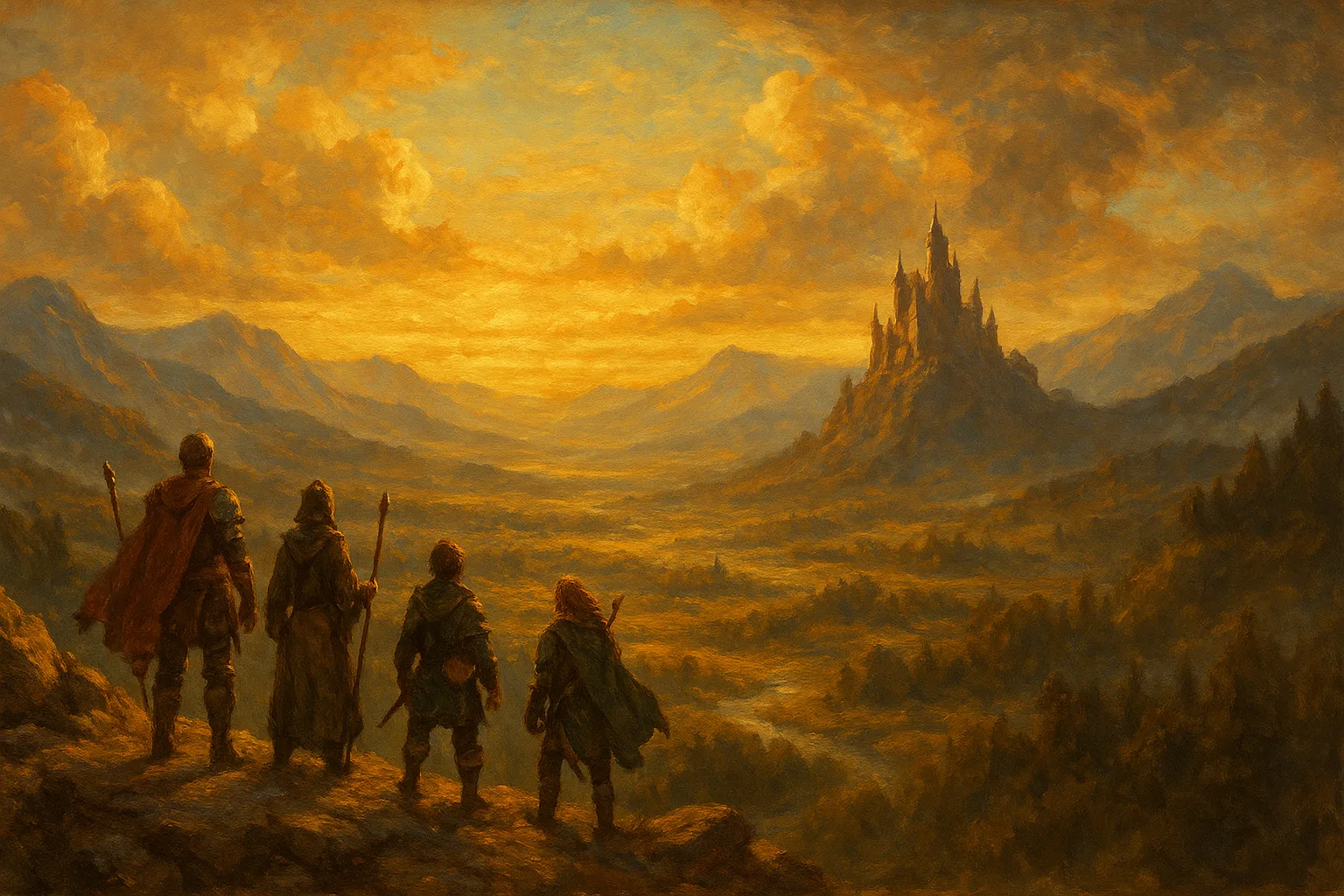
Made for the whole table
Start from what you want to do. One account covers all three, and you can change your mind any time.
I want to play
Start with a guided first adventure that teaches as you go. Then gather your friends at one live table, or play solo with the optional AI Dungeon Master.
I want to run a game
Run your campaign with sheets, dice, initiative and conditions kept in code. Forecast a scene with Scry before you run it, then rehearse it against one AI player.
I want to improve
Practise the rules in short drills with dice rolled in code, try a Coach drill for candid feedback on your play or your Game Mastering, and follow a training path at your own pace.
Multiplayer, in detail
- Invite by shareable link with host approval, or straight to a friend's account by username or email
- One live transcript: every roll, turn, and scene change reaches the whole table in real time
- Turn order in combat, presence, private chat, and a friends list built in
- Included on every plan, the free one too, and the host funds the AI when the AI is DM
A human-led table when you want one, AI when you choose it
- Pick who runs the game when you create a campaign, or hand the chair over mid-campaign
- Your DM controls run in code: dice, damage and healing, conditions, rests, death saves, XP, and combat rounds
- A human-DM turn makes no model call and draws none of your AI allowance
- AI roles, a companion or a single NPC voice, are opt-in: the NPC speaks when you invoke it, and a companion also takes its own turns in combat; add none and no AI voice takes part in your game
A table is more than a game
The people around the table are the point. The platform gives them somewhere to stay connected between sessions.
The Gathering Hall
An opt-in party finder for tables looking for players, and players looking for a table. You post or browse a listing and apply; nobody is matched with you automatically.
Friends and table talk
A friends list, direct messages, and group chats up to 20 people, so the conversation between sessions has a home.
Profiles and showcases
A public profile with showcases and a reaction wall, plus link-shareable art scrolls anyone can view without an account.
The community
A blog on table craft that approved community writers can contribute to, and a subreddit where players and Game Masters compare notes between games.
The story is yours. The numbers are kept in code.
Each part of a session has one owner: people make the choices, code keeps the numbers, and the optional AI narrates inside limits the engine sets.
People
Choices, relationships and table decisions.
- You run the table, or you choose to let the AI Dungeon Master run it
- Pick who runs the game when you create a campaign, and hand the chair over later if you like
Code
Dice, damage, hit points, sheets and rule checks.
- Dice are rolled in code, and results are shown with the roll behind them
- In a campaign, open a roll to see how it was worked out
- Damage, healing, conditions, rests, and XP are applied by the engine rather than narrated into being
- Hit points, quests, NPCs, and the current scene live in structured records rather than in anyone's recall
AI, optional
Narration, and the characters it is asked to voice, inside limits the engine sets.
- When the AI Dungeon Master runs the game, it narrates and proposes changes; the engine validates them before anything is applied
- A rolling summary carries the story's throughline from session to session, and specific details, a promise, a clue, a debt, come back when they matter
- Each campaign's memory is its own and is not shared with other campaigns
- A human-led campaign can run without AI at the table.
From nothing to your first scene in three steps
Create your free table
Make an account in a minute. No card required, and a free daily allowance to start playing right away.
Build a character
Generate one in seconds or import your own. Character creation and leveling follow the SRD 5.2 rules, checked in code.
Play it your way
Run the table yourself, play with your group, or start a solo adventure with the AI Dungeon Master. The dice are rolled in code either way.
Play. Prepare. Practice. Improve.
Each part feeds the next, and the loop always comes back to the table.
Play
Gather your group at one live table, run the game yourself, or play solo with the optional AI Dungeon Master. New to the game? A guided first adventure teaches as you go.
Campaigns · One-shots
Prepare
Forecast a scene before you run it, with the likely branches and prep notes, and generate monsters, NPCs, items, spells and locations for your table.
Scry · Generators
Practice
Run short drills for the rolls you make most, with a copy of your own character if you like. Run a short scene as the Dungeon Master against one AI player, whose turns use your daily allowance of AI turns at human-DM tables.
Training Grounds · DM practice
Improve
Try a Coach drill for candid, rubric-grounded feedback that names tradeoffs instead of scoring you, review a solo session you played, and follow a training path at your own pace.
Coach · Session Debrief · Training paths
Then back to Play, and the next session.
One turn at the table
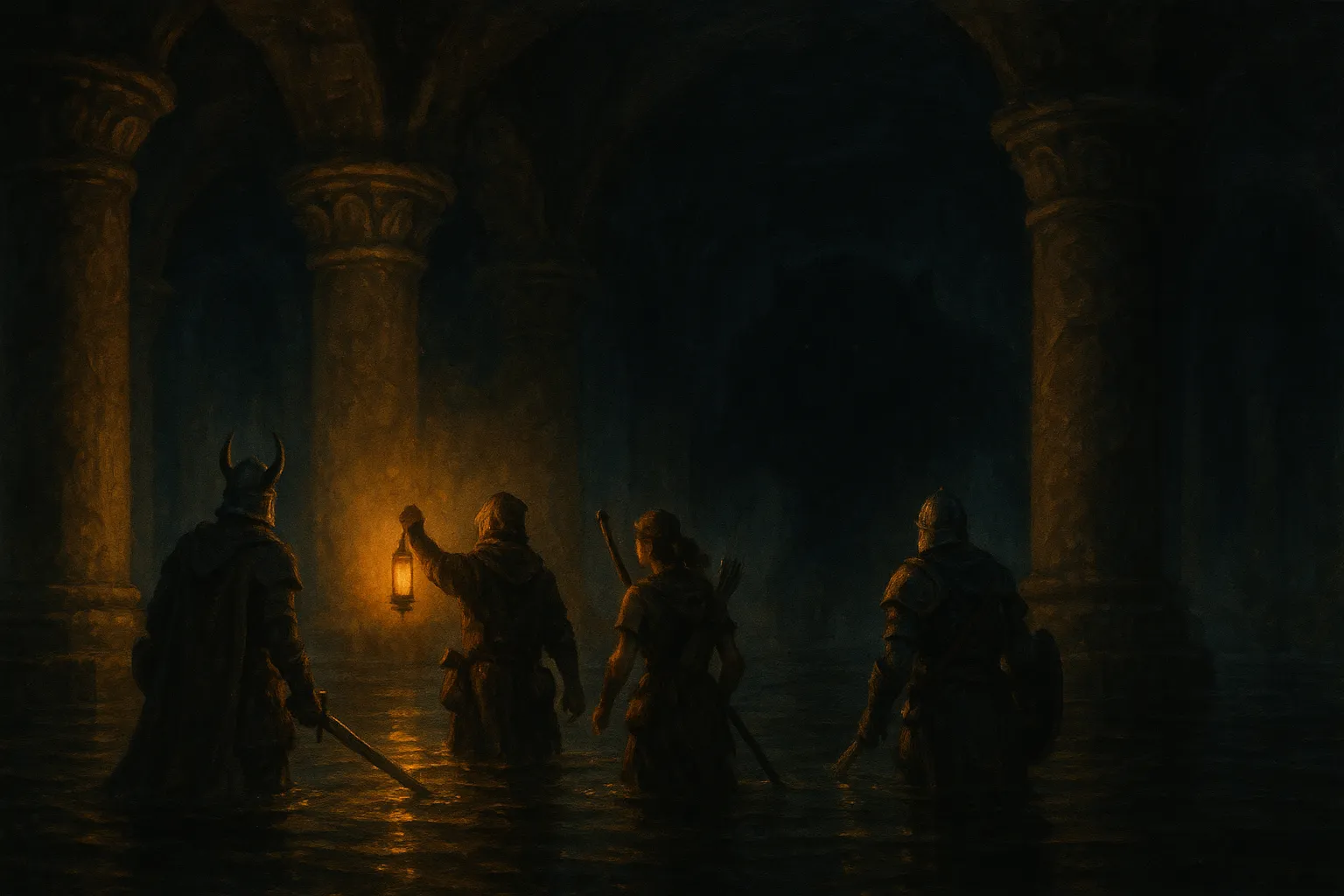
Every number traces to a real dice tool. The model narrates; the code rolls.
Everything a table needs
Multiplayer tables
Invite friends by link or username, take turns in order, and share one live transcript, presence and chat built in.
Learn by playing
Start with a guided one-shot that introduces the character sheet, rolls, roleplay, combat, and table habits as they become relevant.
One-shots you can finish
A self-contained adventure with a real ending, paced for a single sitting, and a ready-made party so you start at the table instead of at character creation.
A story that remembers
Layered campaign memory lets the AI Dungeon Master and AI roles recall what happened ten sessions ago, so your table's story stays consistent.
Your campaign's own codex
The people, places and quests your table has actually met, browsable and searchable as the campaign builds it. Dungeon Master secrets stay hidden.
Training Grounds
Short drills for the rolls you make most: ability checks, saving throws, advantage and disadvantage, and attacks and damage. Practise with a copy of your own character, and the one you saved stays as it is.
DM practice
Run a short scene as the Dungeon Master against one AI player, or rehearse a branch you forecast in Scry, then review it with the Coach. The AI player's turns use your daily allowance of AI turns at human-DM tables.
Generators
Monsters, NPCs, items, spells, and locations, with challenge ratings checked in code.
Homebrew the DM runs
Save your creations into a campaign and the AI DM runs them as canon, SRD 5.2 legal.
Forge your own
Build a campaign or a one-shot to your own premise, themes and tone, then run it yourself or hand it to the AI Dungeon Master. On the Premium plan, for 20 credits a campaign or 10 a one-shot.
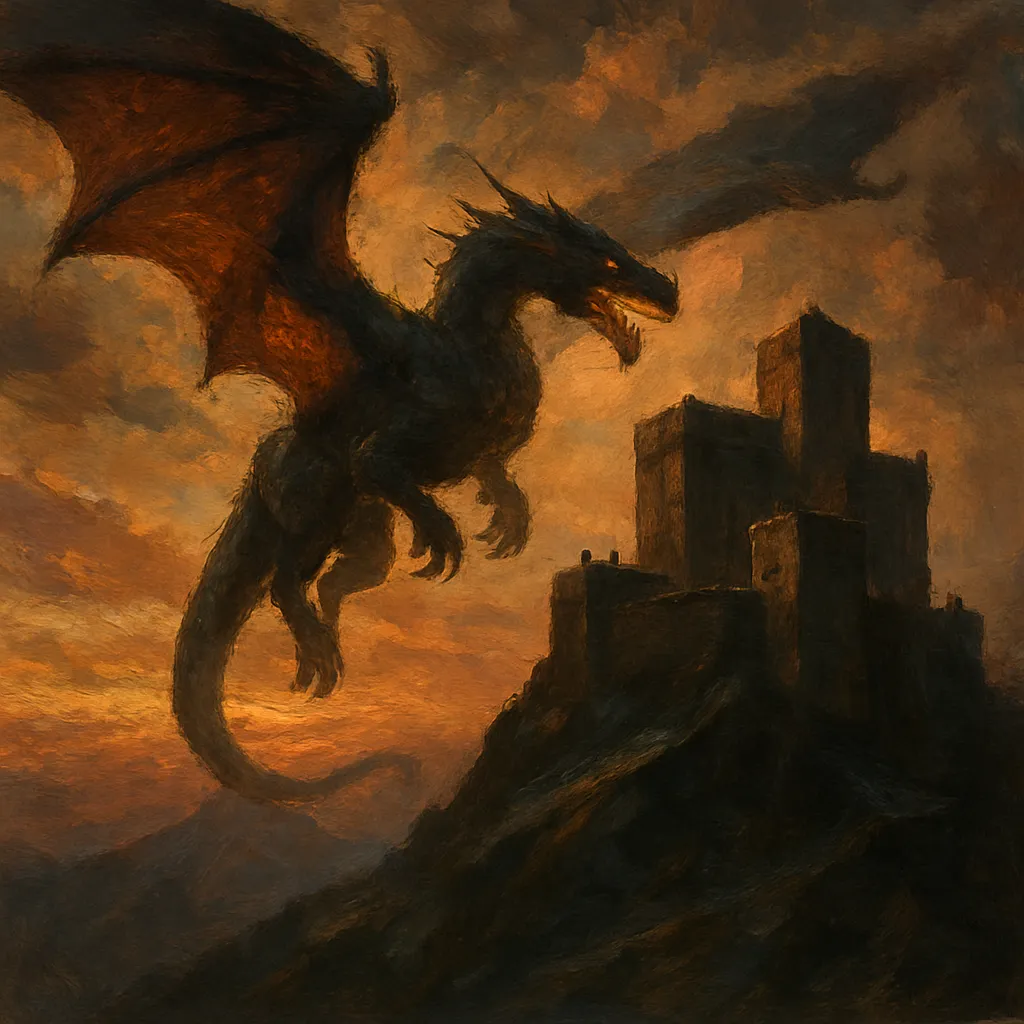
Scenes you can see
Generate scene art and portraits in your campaign's style, one generation for the party. On the Standard and Premium plans.
Read aloud
Have the DM's narration voiced when you would rather listen to the scene than read it. On the Standard and Premium plans.
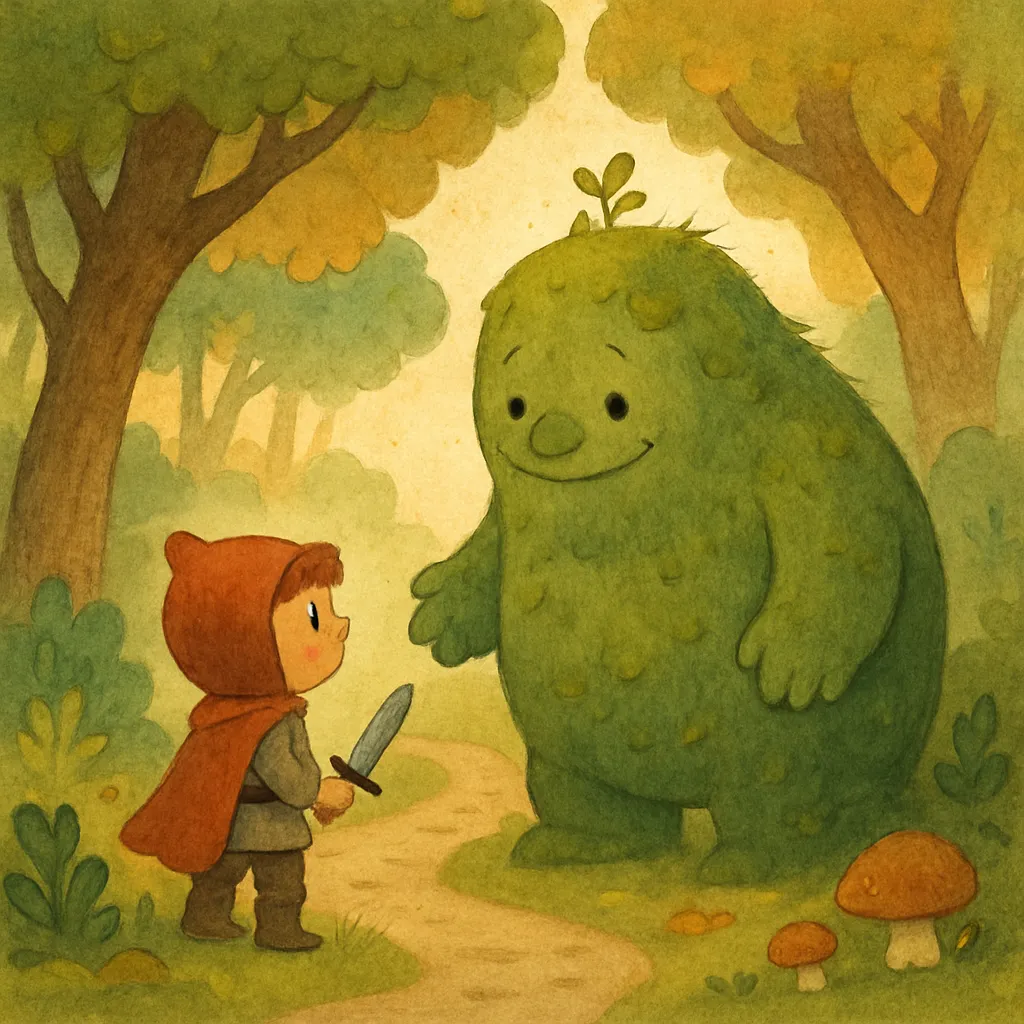
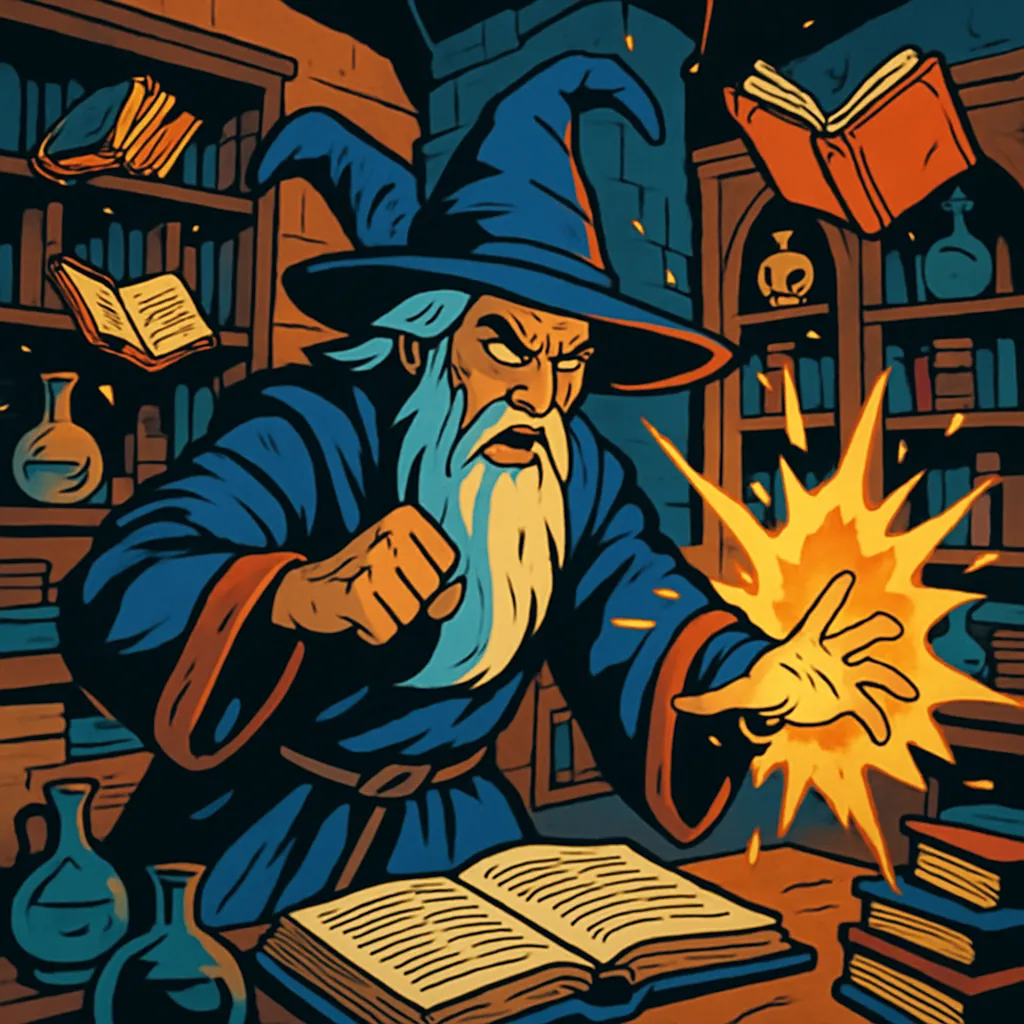
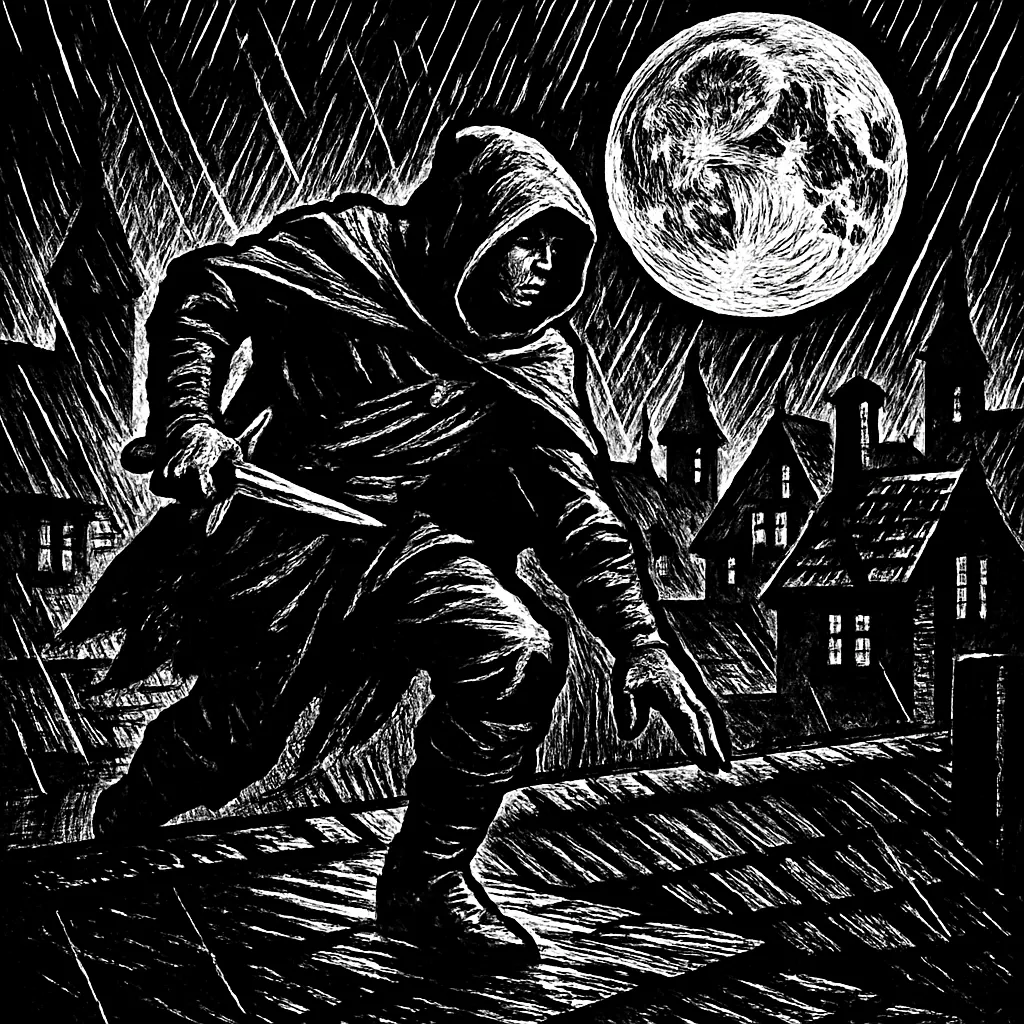
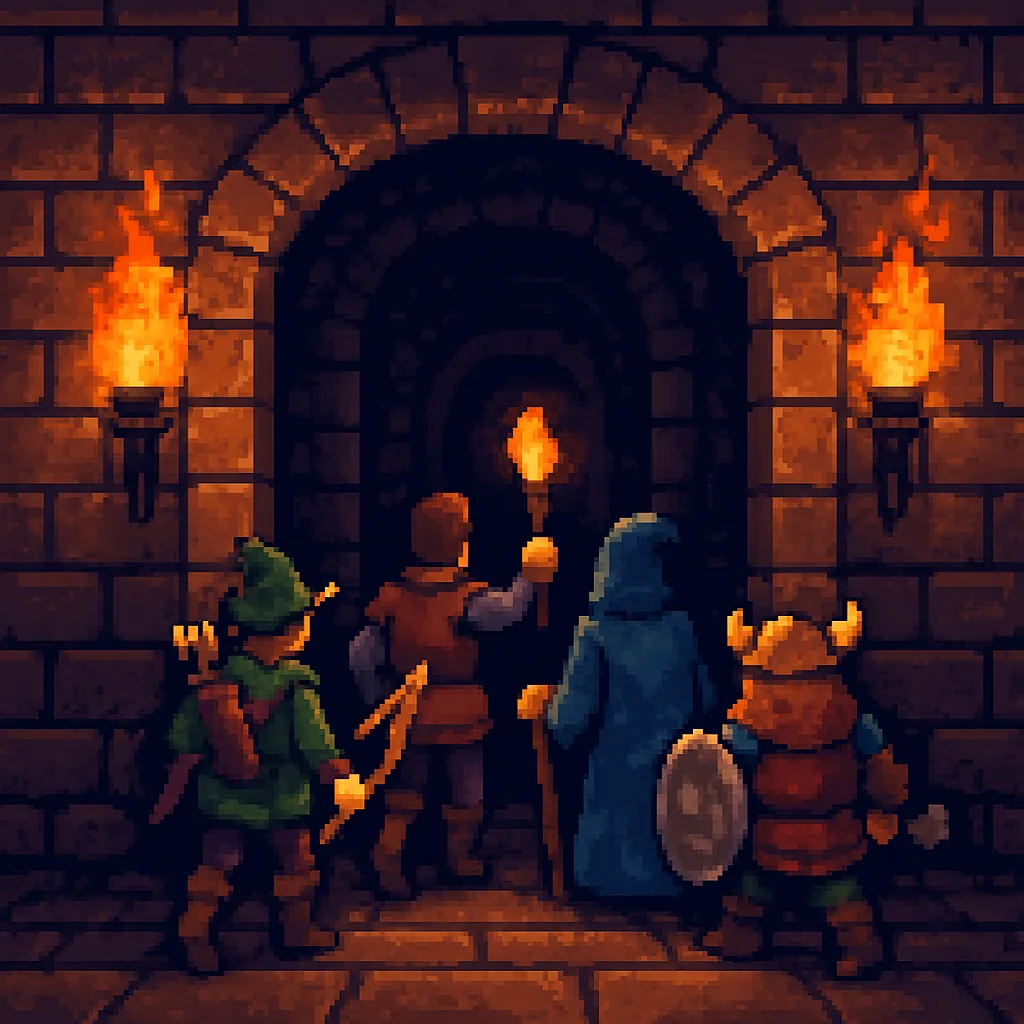
Art in any style
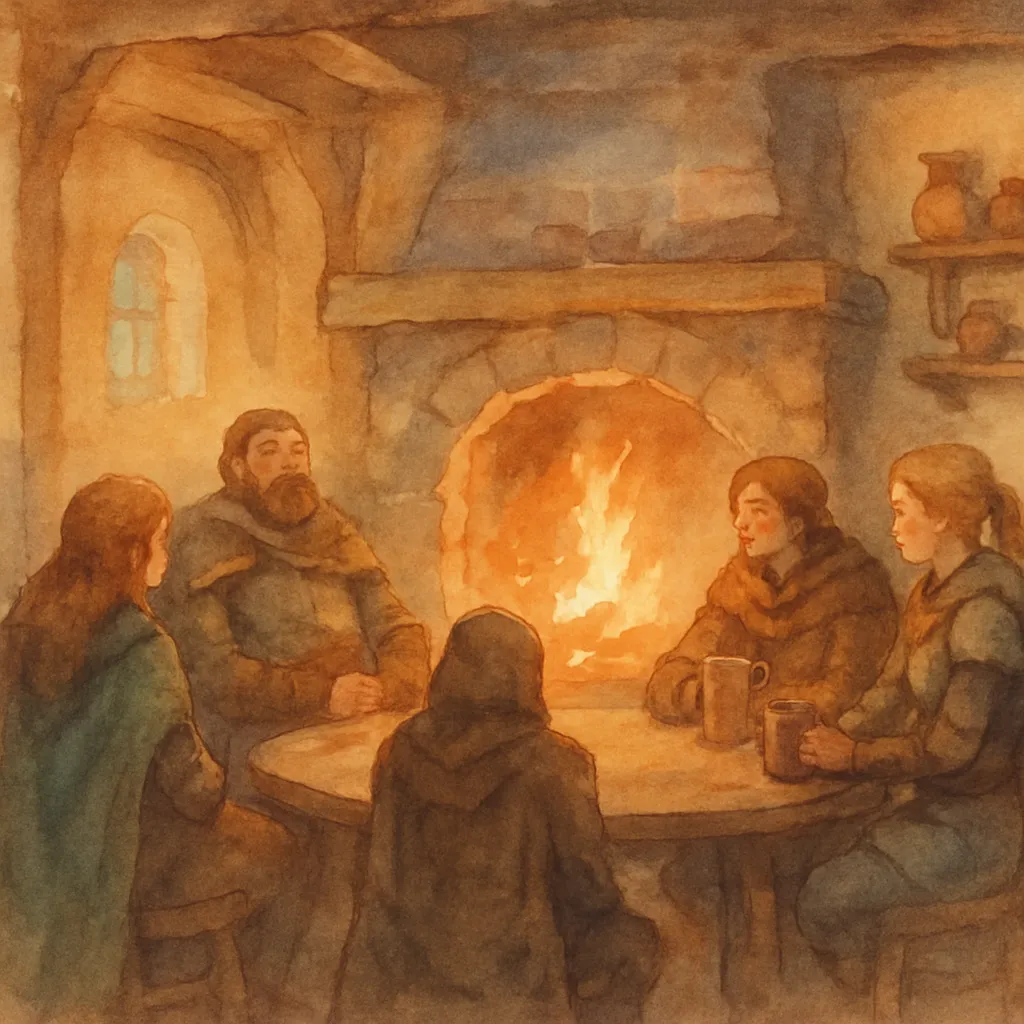
Before you sit down
Does this replace a human Dungeon Master?
No. A human Dungeon Master can run a full campaign here: the platform handles the shared record, dice, sheets, initiative, and campaign continuity, with no model call behind those controls. AI assistance and autonomous AI-led play are separate options a table can choose.
How does multiplayer work?
Invite players with a shareable link the host approves, or address an invite to a friend who already has an account, by username or email, and they join on accept. Everyone shares one campaign in real time, with turn order in combat, presence, and private chat. Multiplayer is included on every plan.
Do I need a group to play?
No. Play solo with the AI as your Dungeon Master, or invite friends to a shared table when you want company.
Can I play without any AI?
Yes. Choose “I am the DM” and you run the game: you narrate and adjudicate, and the app is a virtual table that rolls the dice in code, tracks sheets, hit points, conditions, and initiative, and keeps one shared transcript. Those actions make no model call. AI roles are opt-in per campaign, so a table with none defined has no AI voice in its story. Two optional features still call a model: an AI-drawn map if you choose one, and level-up suggestions when a character has choices to make.
Can I find a group here?
Yes. The Gathering Hall is an opt-in party finder: post a listing for your table or browse the ones that are open, and apply to the tables you like. It is not random matching and nobody is paired with you automatically. You can also invite people you already know by link, or by username or email if they already have an account, and the community blog and subreddit are where players compare notes between games.
Do I need to know the rules?
No. The engine adjudicates by the SRD 5.2 ruleset and rolls the dice for you. You describe what your character does; it handles the mechanics. If you have never played at all, start with the guided one-shot: it comes with a ready character and explains the sheet, the rolls, and combat as each one first matters, and you can turn the guidance off at any point without leaving the adventure.
Is it free?
There is a free tier to start, no card required: daily AI turns, three campaigns, the free one-shot, Scry forecasts and coaching drills every day. Paid plans raise every one of those, open more of the one-shot catalog, and add image generation, read-aloud narration, calling on AI companions outside combat in AI-run multiplayer, deeper coaching feedback, and stronger models. Premium also unlocks forging your own campaigns and one-shots, which costs credits each time. Credits cover most actions past your daily allowance, so a long session need not stop, though a few limits, such as how many Chronicles you can start in a day, stop at the cap.
Can I use my own AI model?
Yes. Use the built-in provider, bring your own API key, or connect your own Ollama-compatible endpoint.
Light the lantern. Sit down at the table.
Start a campaign in a minute. With your whole group or solo, with you running it or the AI, free to begin.