Understanding Hit Points: What They Represent and Why It Matters at Your Table
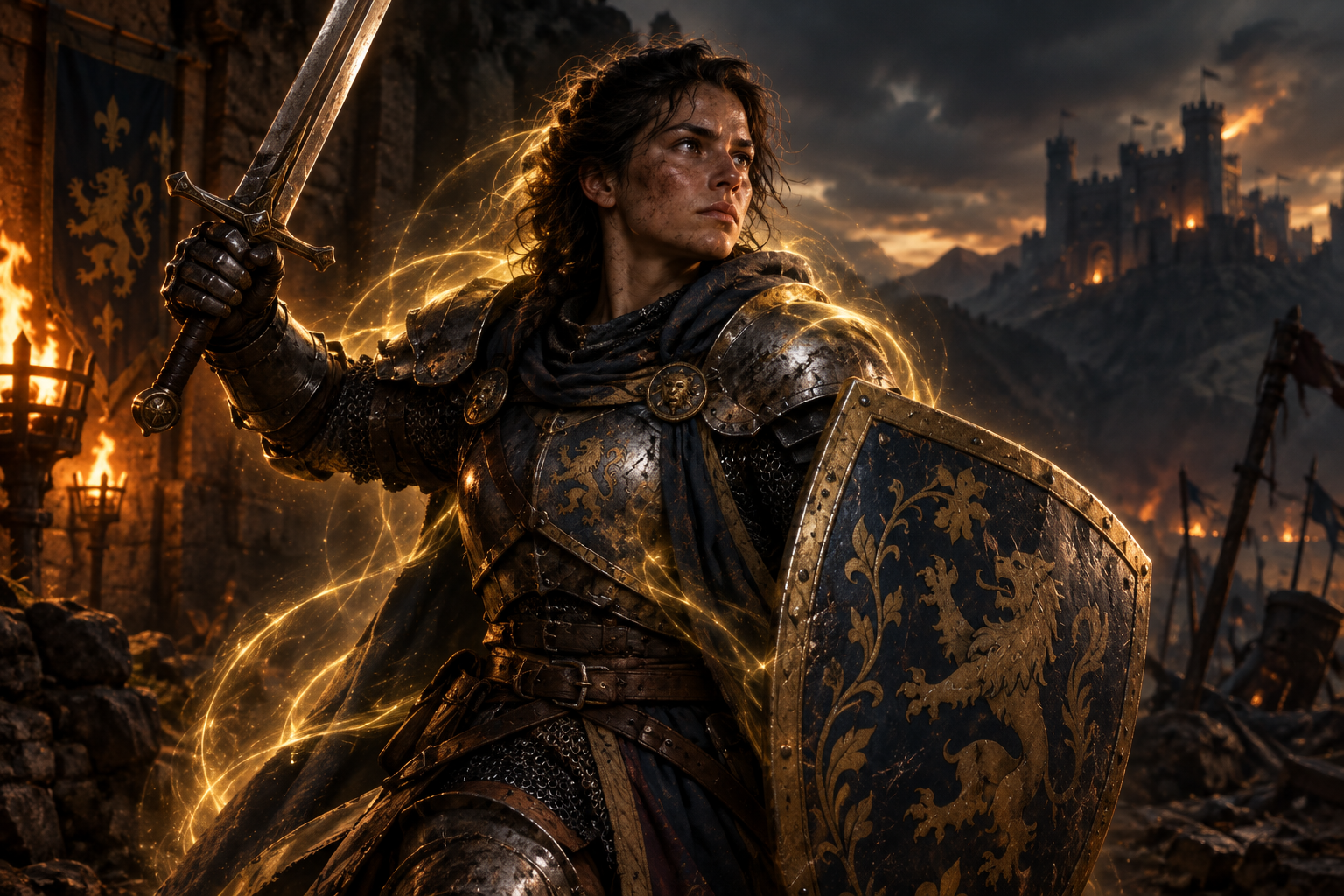
Hit points measure more than raw physical damage. Understanding what they actually represent helps you narrate combat, pace encounters, and make rulings that feel consistent and engaging.
Hit points appear on every character sheet and drive every combat encounter, but it is easy to play for years without discussing what they actually represent. The common assumption treats hit points as a measure of how much physical damage a character can absorb before dying. That interpretation creates problems. A 1st-level fighter with a +2 Constitution modifier has 12 hit points, while the same fighter at 10th level, taking the fixed hit points per level, has 84 (Wizards of the Coast, 2025). A 12-damage strike that drops the first fighter can land on the second seven times before it falls. The sword did not change. The wound did not change. What changed?
Understanding what hit points represent, what they abstract, and how that abstraction supports gameplay changes how you narrate combat, make rulings, and pace encounters. This article explains the mechanical and narrative role of hit points, examines competing interpretations, and offers practical guidance for applying that understanding at your table.
What Hit Points Measure
Hit points abstract a character's ability to avoid or withstand harm during combat. They represent a combination of physical toughness, stamina, luck, skill at deflecting blows, and the will to keep fighting. A high-level character does not survive more stab wounds than a low-level character. A high-level character avoids being stabbed in the first place, turns a killing blow into a glancing cut, or pushes through an injury that would incapacitate someone less experienced.
The current rules define Hit Points in one line, as "a measure of how difficult it is to kill or destroy a creature or an object," and say nothing about what a lost hit point looks like in the fiction (Wizards of the Coast, 2025). The mechanics fill that gap. A character regains all lost Hit Points at the end of a Long Rest (Wizards of the Coast, 2025). A night of sleep does not heal eight sword wounds. It restores stamina, focus, and the mental reserves required to avoid those wounds during the next fight. When a character drops to 0 hit points and doesn't die outright, they fall unconscious and begin making death saving throws (Wizards of the Coast, 2025). They are not dead. They are not even necessarily bleeding out from eight separate stab wounds. They are incapacitated, their luck spent, their defenses exhausted.
This interpretation is as old as the game. Gygax (1979) wrote that it is "quite unreasonable to assume" that a character gaining levels gains a matching ability to sustain physical damage, and that the growth in hit points instead reflects "skill in combat and similar life-or-death situations, the 'sixth sense' which warns the individual of some otherwise unforeseen events, sheer luck, and the fantastic provisions of magical protections and/or divine protection" (p. 82). The abstraction was intentional. Hit points support fast-moving combat without tracking individual injuries, wound types, or recovery times for specific body parts.
Why the Abstraction Matters
Treating hit points as purely physical damage creates two problems. First, it makes high-level combat narratively absurd. A 15th-level barbarian with roughly 150 hit points who takes 140 damage over a long fight has not been stabbed, burned, and bludgeoned a dozen times over. Describing each attack as a flesh wound creates a scene that resembles a comedic sketch more than heroic fantasy. Second, it undermines verisimilitude at the table. If every hit represents a real injury, players begin asking why their character can fight at full effectiveness with twelve arrows in their chest, or why a night of sleep heals wounds that should take weeks to recover from.
The abstraction solves both problems. When hit points represent stamina, luck, and defensive skill, losing hit points means the character is tiring, their guard is slipping, or their luck is running out. A sword strike that deals 20 damage might graze the character's arm, forcing them to adjust their stance and expend energy to avoid the next attack. A critical hit that deals 40 damage might represent a blow that the character barely parries, the impact rattling their bones and leaving them winded. The final blow that drops them to 0 hit points is the one that actually connects, the strike they could not avoid, the injury that incapacitates them.
This interpretation also explains why characters regain hit points so quickly. A long rest restores stamina and focus. Healing spells accelerate recovery by mending minor injuries and restoring the physical and mental reserves required to keep fighting. The 1st-level cure wounds spell restores 2d8 plus the caster's spellcasting ability modifier, an average of 9 plus that modifier (Wizards of the Coast, 2025), not because it closes nine stab wounds, but because it patches a real injury, eases pain, and gives the character the strength to continue.
Competing Interpretations
Not every table interprets hit points the same way. Some Game Masters prefer a more literal interpretation, treating hit points as physical durability and narrating each strike as a real wound. This approach works if the table accepts the genre conventions it creates, a world where heroes can withstand dozens of sword strikes and keep fighting, where magical healing closes mortal wounds in seconds. The interpretation supports a high-action, cinematic tone. It does not support gritty realism.
Other tables adopt a hybrid interpretation. The first half of a character's hit points represent skill, luck, and stamina. The second half represents actual injuries. A character at full hit points dodges and parries. A character below half hit points is bleeding, bruised, and struggling. A character at 0 hit points has taken a serious wound. This approach offers a middle ground, preserving some narrative coherence without abandoning the mechanical simplicity of the hit point system.
Still other tables ignore the question entirely. Hit points are a game mechanic, not a narrative element. Players track the numbers, and the Game Master describes combat in whatever way fits the moment. This approach works when the table prioritizes mechanical clarity over narrative consistency. It avoids the cognitive load of translating every hit point loss into a specific fictional event.
None of these interpretations is wrong. The key is consistency within your table. Choose an interpretation that supports the tone you want, communicate it to your players, and apply it consistently during play.
Practical Applications at the Table
Understanding what hit points represent changes how you narrate combat, make rulings, and pace encounters.
Narrating Attacks
When a player announces an attack roll and damage, describe the outcome in terms that match your interpretation of hit points. If hit points represent stamina and luck, describe most attacks as near misses, glancing blows, or parried strikes. Reserve descriptions of actual wounds for critical hits or attacks that reduce a character below half their maximum hit points.
For example, a fighter swings at a goblin that has 7 hit points left and deals 8 damage. The goblin drops to 0, and a monster dies the instant it reaches 0 hit points unless the Game Master decides otherwise (Wizards of the Coast, 2025). Instead of saying, "You cut the goblin in half," you might say, "Your blade catches the goblin across the ribs. It stumbles, gasps, and collapses." The goblin took one real wound, not eight separate cuts.
When a high-level character takes 30 damage from a dragon's breath weapon, describe it as a desperate dive behind cover, singed hair and scorched armor, the character's reflexes saving them from the worst of the flames. The damage represents exhaustion and minor burns, not third-degree injuries across half their body.
Making Rulings
Your interpretation of hit points informs rulings about injuries, status effects, and healing. If a character falls from a great height and takes 20 damage, are they bruised and winded, or do they have broken bones? The answer depends on whether you treat hit points as stamina or physical durability. If hit points represent stamina, the character is shaken but mobile. If hit points represent physical damage, the character might suffer a limp or require a splint.
Similarly, when a character recovers from 0 hit points through a healing word spell, what changed? If hit points are stamina, the spell pulled them back from the brink, gave them the strength to stand. If hit points are physical durability, the spell closed a mortal wound. The ruling you make shapes the fiction and sets expectations for how healing works in your world.
Pacing Encounters
Understanding hit points as an abstract resource helps you pace encounters for dramatic effect. A character at full hit points is fresh and confident. A character at half hit points is struggling. A character at 10 hit points is desperate, each attack a gamble. You can heighten tension by describing how characters look and move as their hit points decline, even without revealing exact numbers.
For example, during a boss fight, describe the villain's condition as the party wears them down. At full hit points, the villain moves with precision and arrogance. At half hit points, their breathing is labored, their strikes less controlled. At 20 hit points, they are bleeding, limping, snarling with rage. The players do not need to know the villain's hit point total to understand the fight is turning in their favor.
Common Misunderstandings
Several misconceptions about hit points persist, even among experienced players.
Misconception One: Hit Points Are Meat Points
The phrase "meat points" refers to the idea that hit points measure how much physical punishment a character can absorb. This interpretation treats high-level characters as nearly indestructible, able to survive dozens of sword strikes without consequence. While some tables embrace this interpretation for its cinematic appeal, it conflicts with the mechanical reality that characters regain all hit points after a long rest. A character who took forty sword strikes does not heal forty wounds overnight.
Misconception Two: Losing Hit Points Always Means Taking Damage
Losing hit points does not always correspond to a visible injury. In most cases, it represents fatigue, near misses, or the expenditure of effort to avoid harm. This distinction becomes important when players ask, "Where am I bleeding?" or "Do I need to bandage this?" If the character is at 60 out of 80 hit points, the answer might be, "You are not bleeding. You are tired, and your shoulder aches from blocking that last axe swing."
Misconception Three: Healing Spells Close Wounds
Healing spells restore hit points, but what they restore depends on your interpretation. If hit points represent stamina, a cure wounds spell might ease pain, reduce swelling, and give the character the strength to keep fighting. It does not necessarily close deep cuts or mend broken bones. If hit points represent physical durability, the spell does close wounds, and the rapid recovery becomes a feature of magical healing in your world. Either interpretation works, but you must choose one and apply it consistently.
Example: The Collapse of the Iron Span
In this illustrative scenario, the recurring example for this week, a party of four 5th-level adventurers is crossing the Iron Span, a decaying bridge over a chasm, when it collapses and drops them twenty feet into a shallow river below. A fall deals 1d6 bludgeoning damage for every 10 feet, so this one deals 2d6, and a creature falling into water can use its Reaction to make a DC 15 Strength (Athletics) or Dexterity (Acrobatics) check to hit the water feet or head first and halve the damage (Wizards of the Coast, 2025).
The rogue, with 32 hit points, fails the check and takes 10 damage. The Game Master describes the fall: "You hit the water hard, the impact driving the air from your lungs. Your left knee strikes a submerged rock, and pain shoots up your leg. You surface, gasping, bruised but mobile."
The fighter, with 42 hit points, also fails and takes 10 damage. The Game Master uses similar narration but adjusts the tone: "You twist in the air, managing to land feet-first. The impact rattles your bones, and your boots fill with icy water, but you keep your footing."
The wizard, with 24 hit points, fails and takes 12 damage, dropping to exactly half: 12 hit points, the point at which a creature counts as Bloodied (Wizards of the Coast, 2025). The Game Master escalates the description: "You crash into the water with no time to brace yourself. Your shoulder slams into a rock, and for a moment you see stars. You drag yourself to the shallows, soaked, shivering, and struggling to catch your breath."
The cleric, with 35 hit points, succeeds on the check, hits the water feet first, and takes half of a 6-damage roll: 3 damage. The Game Master narrates success: "You knife into the river feet first, touch the stony bottom, and kick back to the surface, soaked but unhurt."
Similar damage produced different narration, because the narration reflects each character's remaining hit points. The rogue and fighter, still well above half their maximum, took a hard fall but are not seriously injured. The wizard, now Bloodied, is visibly hurt and vulnerable. The cleric turned the fall into a controlled landing. The hit points track the mechanical cost. The narration translates that cost into a shared fictional event.
Later, the party takes a short rest. The cleric casts cure wounds on the wizard, restoring 11 hit points. The Game Master narrates the spell: "The cleric places a hand on your shoulder, and warmth spreads through the joint. The sharp pain fades to a dull ache. You can move your arm freely again." The spell did not close a mortal wound. It eased an injury and gave the wizard the strength to continue.
When to Discuss Hit Points with Your Players
Many tables never have an explicit conversation about what hit points represent. The Game Master narrates combat, the players accept the narration, and the game continues. This works until a player asks a question that requires clarification. "Am I bleeding?" "Do I need stitches?" "Can I see the wound?" When those questions arise, pause and discuss your table's interpretation.
Session zero is the ideal time to establish this understanding. Explain whether you treat hit points as stamina, physical durability, or a hybrid, and invite players to share their preferences. A table that wants gritty, realistic combat might prefer hit points to represent actual injuries, accepting the slower pace and higher lethality that interpretation creates. A table that wants fast-moving, heroic combat might prefer the abstraction, focusing on the mechanical stakes rather than the fictional injuries.
You can also adjust your interpretation mid-campaign if a conflict arises. If your narration treats hit points as stamina but a player assumes they are tracking real wounds, clarify the difference and decide together how to move forward. Consistency matters more than the specific interpretation you choose.
Why This Understanding Improves Your Game
Understanding what hit points represent gives you a framework for narration, a basis for rulings, and a tool for managing tone. It prevents the narrative absurdity of describing a high-level fighter as a pincushion of arrows while also preserving the mechanical simplicity that keeps combat fast and playable. It allows you to describe combat in vivid, specific terms without contradicting the rules or creating expectations the system cannot support.
It also empowers your players. When they understand that losing hit points does not always mean taking a wound, they stop worrying about whether their character should be incapacitated and start focusing on tactics, positioning, and the dramatic stakes of the fight. When they understand that a night of rest restores their stamina rather than healing eight sword wounds, the fiction and the mechanics align.
Hit points are an abstraction, a tool for managing risk and tension in a collaborative game. Treat them as such, and your combat will feel both mechanically sound and narratively coherent.
Sources and Further Reading
Gygax, G. (1979). Dungeon Masters Guide. TSR.
Wizards of the Coast. (2025). System Reference Document 5.2.1.
This work includes material from the System Reference Document 5.2.1 ("SRD 5.2.1") by Wizards of the Coast LLC, available at https://www.dndbeyond.com/srd. The SRD 5.2.1 is licensed under the Creative Commons Attribution 4.0 International License, available at https://creativecommons.org/licenses/by/4.0/legalcode.
Play 5E at your own table
Dice and character math run in code, and an optional AI Dungeon Master can run the game for you. Free to start, no card required.
Related reading
- Designing Hit Point Systems That Support Your Table's Fiction
Hit points work differently at every table because they serve the fiction you create together. Understanding design choices behind hit point systems helps you run them with confidence and customize them when your game needs it.
- Narrating Hit Point Loss: Techniques for Describing Damage at the Table
Hit point totals drive combat, but your descriptions make them meaningful. Learn practical techniques to narrate damage that respects the fiction, supports player engagement, and keeps combat moving.
- Hit Points Under Stress: What the Numbers Actually Tell You During Play
Hit point totals shift meaning as combat unfolds. Understanding what those numbers signal helps you pace encounters, adjudicate rulings, and narrate outcomes that respect both the fiction and the mechanics.